-
 winter bedding sets
In the evolving landscape of home textiles, the bed cover set stands as a cornerstone of bedroom aesthetics and comfort. More than just a functional item, a bed cover set transforms a bedroom into a sanctuary, reflecting personal style while providing essential warmth and hygiene. This in-depth guide explores the intricacies of bed cover set s, from industry trends and technical specifications to
-
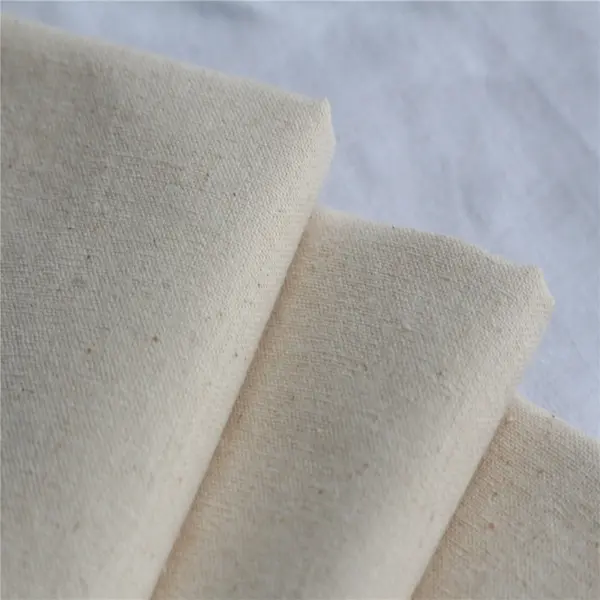 lining velvet fabric
Introduction to Advanced Lining Fabrics In industrial and consumer applications alike, the selection of appropriate lining fabrics is paramount for enhancing product longevity, performance, and user experience. Modern textile engineering has led to a diverse range of materials, each tailored for specific functional requirements, from protective barriers to comfort-enhancing layers. Understanding t
-
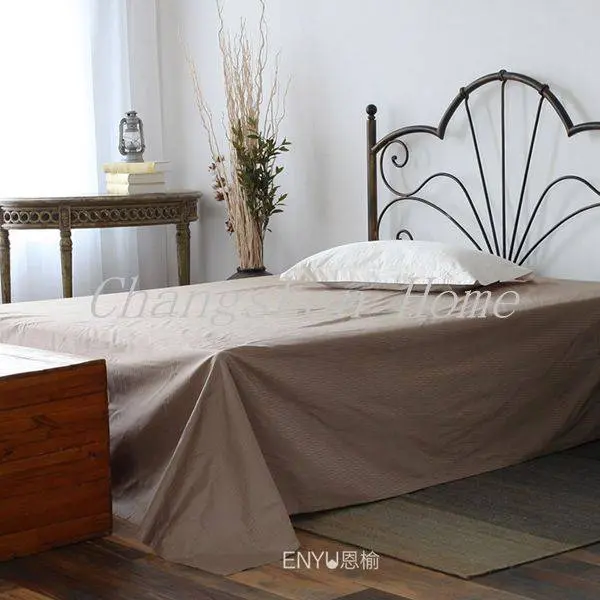
 twin xl comforter set
In the evolving landscape of home textiles, the demand for comprehensive and aesthetically cohesive bedding solutions has surged. Among these, the 24 piece comforter set stands out as a pinnacle of convenience and luxury, offering a complete bedroom makeover in a single package. At Changshan Fabric, we specialize in delivering premium textile solutions, including our flagship product, the 100% Cot
-
 dishcloth yarn
Hebei Henghe Bangxing New Material Co., Ltd. specializes in crafting premium wool cotton yarn blends that combine the best qualities of natural fibers for superior baby clothing applications. Our innovative cotton wool blend yarn offers the perfect balance of softness, breathability, and warmth, making it ideal for delicate infant wear. The cotton wool mix yarn developed through our proprietary sp
-
 good yarn
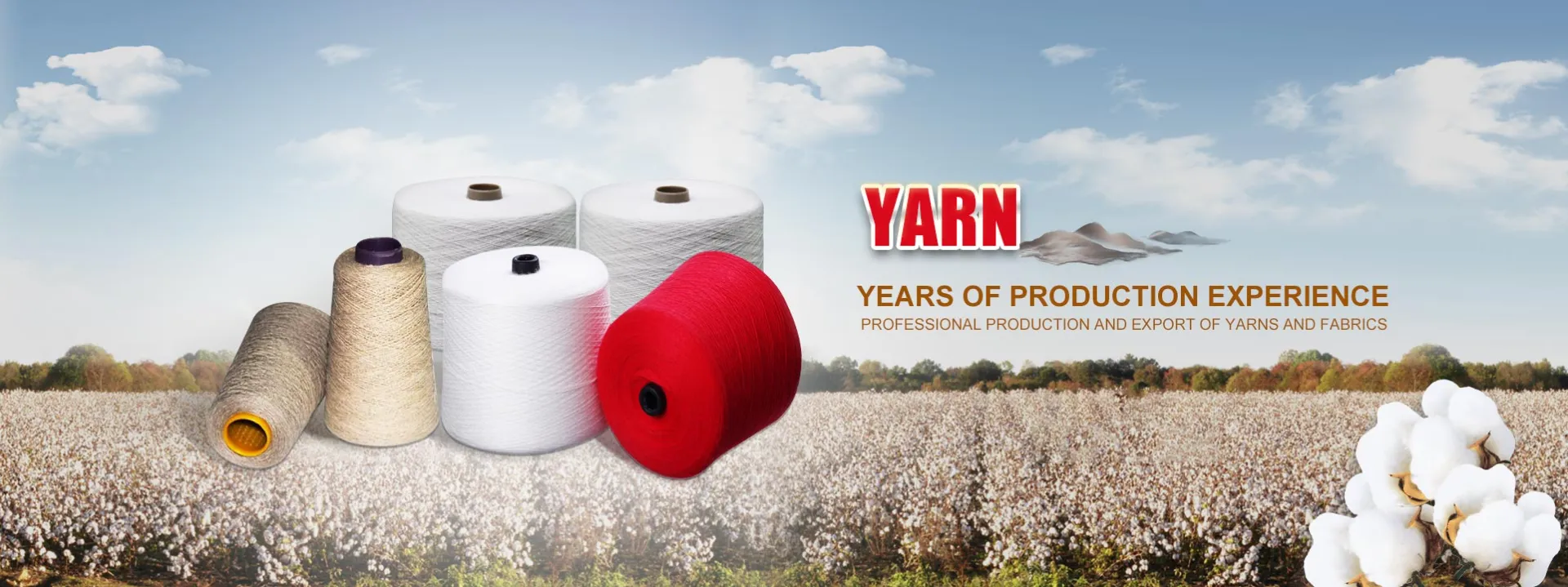
In today’s fast-changing textile industry, the demand for yarn for sale continues to rise steadily. From handcraft enthusiasts to international clothing factories, yarn remains the foundation of fabrics and finished garments. The global market has seen surging interest in eco-friendly fibers, natural cotton blends, and high-performance synthetics, making the supply of yarn for sale more diverse th

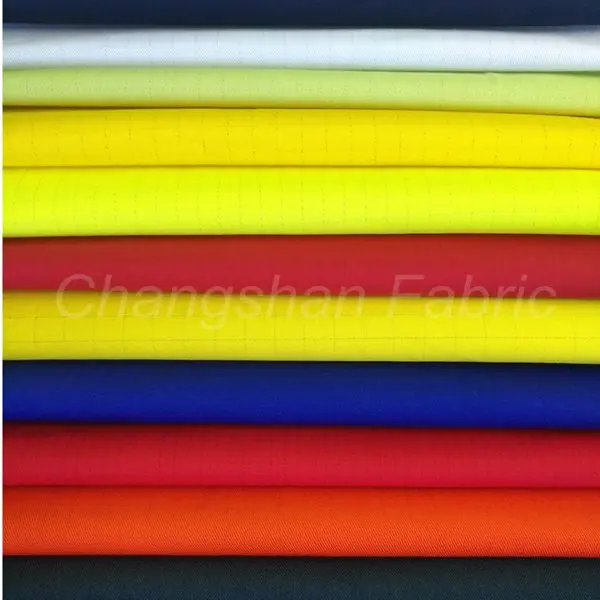
police uniform fabric
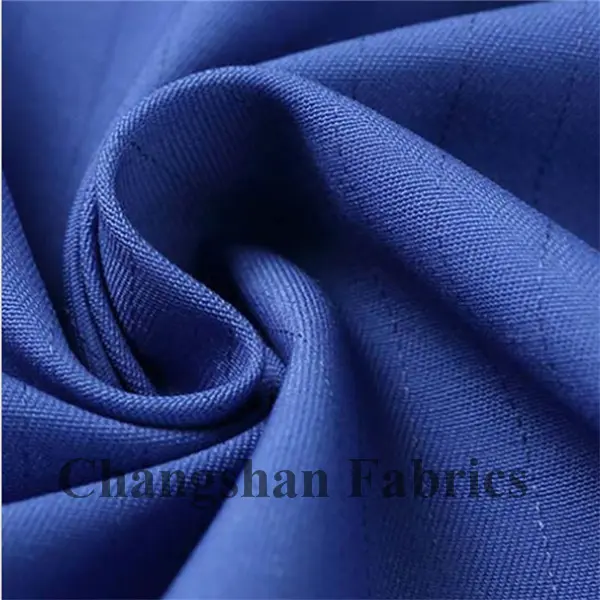
The Imperative of High-Performance Work Wear Fabric in Modern Industries In the rapidly evolving industrial landscape, the demand for specialized textiles that offer superior protection, comfort, and durability is paramount. Work wear fabric serves as the foundational material for uniforms and protective clothing across a myriad of sectors, safeguarding personnel from diverse occupational hazards while ensuring operational efficiency. The selection of appropriate workwear materials is a critical decision for businesses, directly impacting employee safety, productivity, and the company's compliance with stringent industry standards. Modern workwear is no longer just about basic coverage; it integrates advanced material science to deliver enhanced performance characteristics such as flame resistance, anti-static properties, moisture-wicking capabilities, and exceptional durability, capable of withstanding rigorous industrial environments and repeated laundering. Understanding the intricate balance between material composition, weave structure, and finishing treatments is essential for B2B procurement specialists and technical personnel. The global market for high-performance textiles continues to expand, driven by stricter safety regulations, technological advancements, and a heightened awareness of employee well-being. This comprehensive guide delves into the specifics of modern workwear textiles, exploring key performance indicators, manufacturing intricacies, and the strategic advantages offered by specialized fabrics. It aims to provide decision-makers with the insights necessary to select the most suitable fabrics for their workforce, ensuring both optimal protection and cost-effectiveness in the long term. Industry Trends and the Evolution of Technical Workwear Textiles The landscape of industrial textiles is continually shaped by emerging trends and regulatory shifts. There's a noticeable shift towards sustainable and eco-friendly manufacturing processes for work wear fabric , with an increasing emphasis on recyclable materials and reduced chemical usage in finishing. Simultaneously, the integration of smart textiles, featuring embedded sensors for monitoring vital signs or environmental conditions, represents a nascent yet promising area for future workwear. Companies are also prioritizing fabrics that offer a blend of comfort and protection, acknowledging that employee comfort directly impacts productivity and adherence to safety protocols. This includes the development of lightweight yet robust fabrics, and materials with enhanced breathability that reduce heat stress in demanding environments. The demand for work wear fabric with multi-functional properties is also on the rise. Instead of requiring multiple garments for different hazards, industries seek fabrics that can offer anti-static protection, water repellency, and flame resistance simultaneously. This not only simplifies inventory management for employers but also enhances the versatility and safety of the uniform for the wearer. The adoption of stringent international standards like OEKO-TEX Standard 100 for harmful substances and various EN ISO standards for specific protective properties underscores the industry's commitment to verifiable quality and safety. Manufacturers are constantly innovating to meet these complex demands, ensuring that workers are equipped with the best possible protection without compromising on ergonomic design or professional appearance. The Manufacturing Journey of High-Quality Polyester Rayon Twill Fabric The production of a durable and functional work wear fabric like Polyester Rayon Twill involves a meticulous multi-stage process, beginning with raw material selection and culminating in a finished textile engineered for specific industrial applications. This process ensures the fabric possesses the required strength, hand feel, and protective qualities. The journey starts with Fiber Selection and Preparation : High-quality polyester staple fibers are chosen for their durability, wrinkle resistance, and dimensional stability, while rayon fibers contribute to breathability, softness, and moisture absorption. These fibers are then blended in precise ratios, for example, 65% Polyester and 35% Rayon, to achieve an optimal balance of properties, tailored for garments demanding both resilience and comfort. Next is Yarn Spinning and Weaving : The blended fibers undergo carding and drawing processes to align and prepare them for spinning into uniform yarns. These yarns are then woven using a twill weave construction. The twill weave, characterized by its diagonal rib pattern, imparts superior strength, drape, and soil resistance, making it an excellent choice for work wear fabric . This distinct weave structure, visible in the final fabric, also contributes to its robust texture and durability. Following weaving, the greige fabric proceeds to Dyeing and Finishing . This stage is crucial for imparting specific functional properties. The fabric is meticulously dyed to ensure colorfastness and uniformity. Subsequently, various finishing treatments are applied, which may include anti-pilling, anti-static, water-repellent, or wrinkle-resistant finishes, depending on the end-use requirements. Each batch undergoes rigorous quality checks to ensure compliance with predefined specifications such as GSM (Grams per Square Meter), width, and color shade before shipment. Key Technical Parameters and Performance Standards for Workwear Fabrics Selecting the optimal work wear fabric requires a detailed understanding of its technical specifications and compliance with relevant industry standards. These parameters dictate the fabric's suitability for specific working conditions and its longevity. Key parameters include Fabric Composition , often a blend of synthetic and natural fibers to combine desired attributes; Weight (GSM) , which indicates the fabric's density and influences its durability and drape; Weave Type (e.g., Twill, Plain, Ripstop) impacting strength and tear resistance; and Yarn Count , reflecting the fineness and strength of the individual yarns. Beyond these foundational aspects, specific performance characteristics are crucial. For instance, Tensile Strength measures the force required to break a fabric under tension, crucial for garments subjected to stress. Tear Strength quantifies the force needed to propagate a tear in the fabric, vital for preventing rips in demanding environments. Colorfastness to washing, rubbing, and light ensures the garment maintains its professional appearance over time. Shrinkage Control is also paramount to maintain garment fit after repeated laundering. Compliance with international testing standards like AATCC (American Association of Textile Chemists and Colorists) and ASTM (American Society for Testing and Materials) methodologies ensures verifiable performance. Furthermore, specialized finishes often require adherence to specific European (EN ISO) or international standards, such as EN ISO 11612 for protection against heat and flame, or EN 1149 for electrostatic properties, particularly relevant for environments with flammable materials or sensitive electronics. Typical Polyester Rayon Twill Fabric Specifications Parameter Description Typical Range/Value Relevant Standard/Test Composition Blend of Polyester and Rayon fibers 65% Polyester / 35% Rayon (Varies) Fiber Content Analysis (e.g., AATCC 20A) Weave Diagonal rib pattern for durability Twill Visual Inspection / Fabric Structure Analysis Weight (GSM) Grams per Square Meter 180-320 GSM ASTM D3776 / ISO 3801 Width Standard fabric width 57"/58" (145-147 cm) Visual Inspection Tensile Strength Resistance to breaking under tension >800N (Warp), >500N (Weft) ASTM D5034 / ISO 13934-1 Tear Strength Resistance to tear propagation >40N (Warp), >30N (Weft) ASTM D1424 / ISO 13937-2 Colorfastness to Washing Resistance to fading or bleeding during washing Grade 4-5 (on a 1-5 scale) AATCC 61 / ISO 105 C06 Shrinkage (Wash) Dimensional change after washing ±3% (Warp & Weft) AATCC 135 / ISO 6330 Pilling Resistance Resistance to fiber entanglement on surface Grade 4 (on a 1-5 scale, 5 is best) ASTM D3512 / ISO 12945-2 Anti-static Property Ability to dissipate static electricity Surface Resistivity < 10^7 Ohm EN 1149-3 / ASTM D257 This table illustrates the level of detail and rigorous testing involved in certifying a work wear fabric for industrial use. Meeting these benchmarks is paramount for manufacturers to assure safety and performance for their clients. Diverse Application Scenarios and Strategic Advantages The versatility of high-quality work wear fabric extends across an extensive range of industries, each with unique requirements for protective clothing. In the manufacturing sector , for example, robust fabrics are essential for uniforms that withstand daily wear and tear from machinery, sharp objects, and lubricants. Here, advantages such as high tensile and tear strength, combined with ease of cleaning, are highly valued. For industries dealing with electrical components or flammable materials, the inherent anti-static properties of certain fabric blends, like Polyester Rayon with conductive fibers, become a non-negotiable safety feature, preventing electrostatic discharge (ESD) which could spark fires or damage sensitive electronics. In healthcare and hospitality , hygiene and professional appearance are paramount. Fabrics that are easy to maintain, resistant to stains, and retain their color and shape after repeated industrial laundering cycles are crucial. The blend of polyester for durability and rayon for comfort and absorbency makes Polyester Rayon Twill an ideal choice, offering a professional drape and soft feel without compromising on strength. For outdoor or physically demanding roles in construction or logistics , fabrics need to offer not only exceptional durability but also breathability and comfort to prevent heat stress. Furthermore, specialized finishes can impart water repellency or even oil resistance, providing added protection against environmental elements and industrial fluids. The strategic advantage lies in selecting a fabric that not only meets safety regulations but also enhances worker comfort and extends garment lifespan, leading to reduced replacement costs and improved employee morale. Navigating the Landscape of Workwear Fabric Manufacturers and Suppliers Choosing the right workwear fabric manufacturers and workwear fabric suppliers is a critical strategic decision for businesses. It extends beyond merely purchasing material; it's about securing a reliable partnership that guarantees consistent quality, timely delivery, and responsive customer service. Reputable manufacturers distinguish themselves through several key attributes: extensive experience in the textile industry, demonstrated by a long track record of successful projects and client satisfaction; robust R&D capabilities to innovate new fabric solutions; and a commitment to international quality management systems such as ISO 9001. A key indicator of a reliable supplier is their transparency regarding material sourcing, production processes, and adherence to sustainability practices, including certifications like OEKO-TEX Standard 100 which assures that the fabric is free from harmful substances. Furthermore, the best workwear fabric suppliers offer comprehensive technical support, guiding clients through the selection process based on specific application needs and performance requirements. They can provide detailed test reports, sample swatches, and collaborate on custom solutions. For instance, a client needing anti-static uniforms for an electronics assembly plant would require a supplier capable of providing detailed test data on surface resistivity and electrostatic decay times according to EN 1149-3. Evaluating suppliers based on their product portfolio, manufacturing capacity, lead times, and post-sales support is crucial. Engaging with suppliers who understand the nuances of various industry standards and are proactive in their approach to quality control and continuous improvement ensures a dependable supply chain for essential work wear fabric . Customization Solutions, Real-World Applications, and Client Trust Tailored solutions in work wear fabric are increasingly vital for businesses seeking to optimize their uniform programs. Customization can range from specific color matching to meet brand guidelines, to integrating specialized finishes for unique protective needs. A workwear fabric supplier often collaborates with clients to develop bespoke fabrics that align perfectly with their operational demands and aesthetic preferences. This might involve adjusting the fiber blend ratio, modifying the weave density, or applying specific chemical treatments to enhance properties such as oil repellency or flame resistance. For example, a client in the chemical industry might require a fabric with enhanced chemical splash resistance, necessitating a specialized finishing treatment not standard on off-the-shelf fabrics. Such tailored approaches ensure that the final garments are not just compliant, but optimally suited for their intended environment, boosting both safety and employee comfort. Client Case Study Example : A large logistics company sought a durable yet comfortable uniform fabric for its warehouse personnel, who frequently moved heavy packages and operated in varying indoor temperatures. They needed a fabric that could withstand significant abrasion, resist wrinkling, and offer good breathability. After consulting with a leading workwear fabric manufacturer , a specialized Polyester Rayon Twill with a slightly higher rayon content for enhanced comfort and a robust anti-pilling finish was recommended. The fabric proved exceptionally durable, maintaining its professional appearance after extensive use and washing cycles, reducing the company's annual uniform replacement costs by 15% and significantly improving employee satisfaction. This real-world application underscores the tangible benefits of choosing the right fabric and partnering with experienced suppliers who can deliver customized and reliable work wear fabric solutions. Ensuring Quality and Building Trust: Certifications, Support, and Guarantees For B2B buyers of work wear fabric , establishing trust with suppliers is paramount. This trust is built upon a foundation of verifiable quality, transparent processes, and unwavering support. Reputable workwear fabric manufacturers typically hold international certifications like ISO 9001, demonstrating a commitment to consistent quality management across all stages of production, from raw material inspection to finished goods testing. Furthermore, adherence to specific product-level certifications such as OEKO-TEX Standard 100, which guarantees textiles are free from harmful substances, is crucial, especially for fabrics in direct contact with skin or for export to regulated markets. These certifications are not merely badges; they represent rigorous audits and ongoing compliance, providing a robust assurance of product safety and performance. Beyond certifications, a supplier's commitment to customer support, clear delivery schedules, and robust warranty policies significantly enhances trustworthiness. Transparent communication about lead times, minimum order quantities (MOQs), and potential customization options is vital for effective supply chain management. Providing detailed product data sheets, samples for testing, and pre-production samples for approval are standard practices that build confidence. A comprehensive warranty on fabric performance, covering aspects like colorfastness, shrinkage, and material integrity under specified conditions, offers peace of mind. Moreover, a dedicated technical support team capable of addressing inquiries regarding fabric suitability, care instructions, and industry compliance solidifies the supplier-client relationship, ensuring that any challenges are met with expert assistance. This holistic approach to quality and service distinguishes leading workwear fabric suppliers in a competitive market. Frequently Asked Questions (FAQ) about Work Wear Fabric Q1: What makes Polyester Rayon Twill suitable for work wear fabric ? A1: Polyester provides excellent durability, wrinkle resistance, and shape retention, while rayon adds breathability, comfort, and a soft hand feel. The twill weave enhances tear strength and durability, making the blend ideal for demanding work environments that require both resilience and wearer comfort. It also offers good drape and maintains a professional appearance after repeated washing. Q2: How do I ensure the work wear fabric meets specific industry safety standards? A2: Always request technical data sheets and certification documents from your supplier. Look for adherence to relevant international standards such as EN ISO (e.g., EN ISO 11612 for heat and flame, EN 1149 for electrostatic properties) and OEKO-TEX Standard 100 for harmful substances. A reputable workwear fabric manufacturer will readily provide these verifiable credentials. Q3: What is the typical lead time for custom work wear fabric orders? A3: Lead times for custom work wear fabric orders can vary significantly based on the complexity of the customization, order volume, and current production schedules. Generally, it can range from 4 to 8 weeks after sample approval. It is always best to discuss your specific requirements and timelines directly with your chosen workwear fabric supplier for an accurate estimate. Q4: What are the best practices for caring for garments made from Polyester Rayon Twill? A4: To maximize the lifespan and maintain the properties of Polyester Rayon Twill garments, it is recommended to wash them in cold or warm water with a mild detergent, avoid harsh bleaching agents, and tumble dry on a low setting or hang dry. Ironing at a moderate temperature is generally safe. Always refer to the specific care label instructions provided by the garment manufacturer for optimal results. Delivery Cycles and Quality Assurance Commitment Efficient delivery cycles are as crucial as product quality in the B2B textile supply chain. Our commitment as a leading workwear fabric supplier involves transparent communication regarding production capacities and logistics. For standard work wear fabric orders, typical lead times range from 3 to 5 weeks from order confirmation, depending on stock availability and quantity. For bespoke Polyester Rayon Twill fabric developments or large-volume custom orders, a more tailored schedule will be provided post-consultation and sample approval, often requiring 6-8 weeks to ensure precise material specification and thorough quality checks. We leverage established logistics networks to ensure timely and secure delivery to global destinations. Our quality assurance commitment is comprehensive, extending beyond initial production. Every batch of work wear fabric undergoes stringent in-house laboratory testing for critical parameters such as tensile strength, tear strength, colorfastness, and dimensional stability, in accordance with international testing protocols. We also offer a clear warranty against manufacturing defects and material non-conformity to agreed specifications for a period of typically 12 months from delivery. Our dedicated customer support team is available to assist with any post-delivery inquiries or technical assistance required, ensuring a seamless and reliable experience for our clients. This robust framework underscores our dedication to supplying not just fabric, but a foundation of trust and performance for your industrial workwear needs. References and Further Reading Textile Institute. (2018). Textile Science and Technology: Properties and Testing of Textile Fibres, Yarns and Fabrics. Woodhead Publishing. Brouwer, W. (2016). Handbook of Technical Textiles. 2nd ed. Woodhead Publishing Series in Textiles. Scott, R. A. (2005). Textiles for Protection. Woodhead Publishing in Textiles. Mather, R. R., & Stanier, A. (2012). Textile Wet Processing. Woodhead Publishing in Textiles. European Committee for Standardization. (Various dates). EN ISO Standards for Protective Clothing.
-
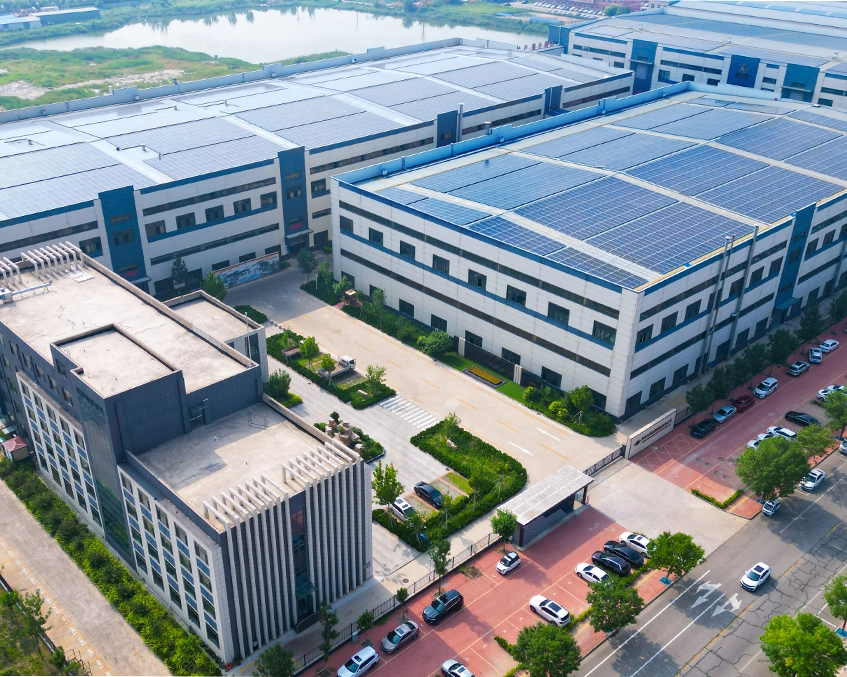
Manufacturing Bases
0
-
Spindles
0
-
Years Of Experience
0
-
Factory Scale
0
Feel Free To Contact Us
Want To Know More?
We focus on high-quality customization of home textiles, combining fashionable design with durable craftsmanship to add comfort and style to your home life.
Contact Us
-
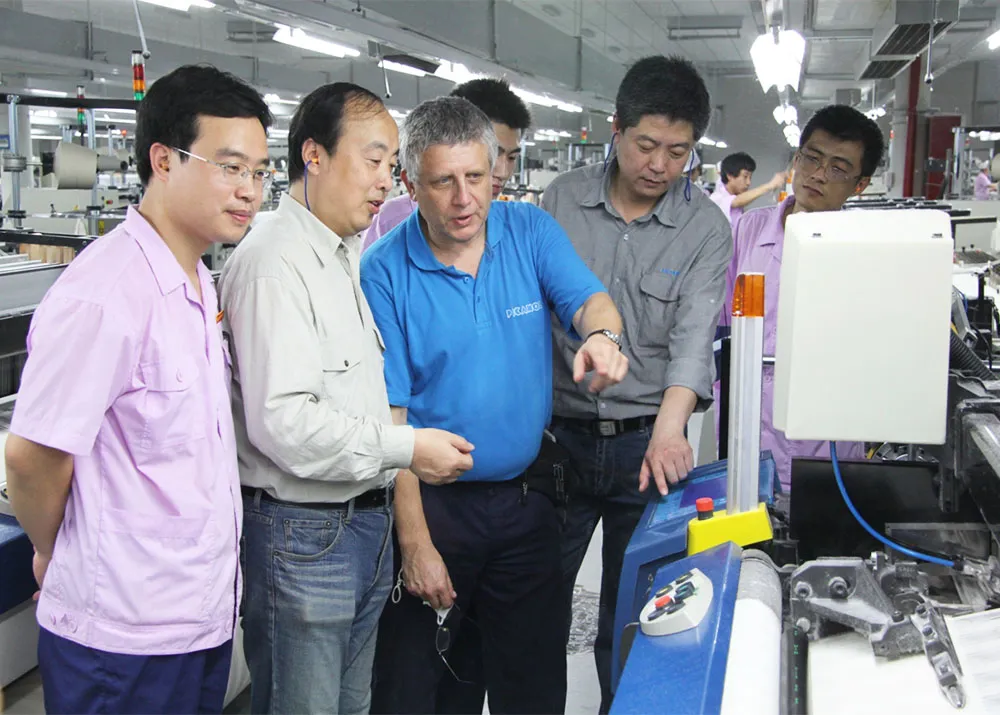
The Training Meeting of the Production Safety
2026-04-02 15:45https://www.changshanfabric.com/images/8da5f85d-3081.webp
-
About Jumping Lights
2026-04-02 13:53https://www.changshanfabric.com/images/auto/changshanfabric-3abcfa8e1.webp
-
Luxurious Emerald Green Yarn: Soft & Vibrant for Crafts
2026-04-02 13:27https://www.changshanfabric.com/images/auto/changshanfabric-7bf2243d2.webp

 Skin-friendly
 Versatile
 Durable
 Assured
-
Navigation
-
Main products
-
Navigation
-
Contact Us
 kewin.lee@changshanfabric.com

Room 1503, 15th Floor, Tianli Business Building, No. 34 Guang'an Street, Chang'an District, Shijiazhuang, Hebei
Copyright © 2025 Hebei Henghe Bangxing New Material Co., Ltd. All Rights Reserved. Privacy Policy